
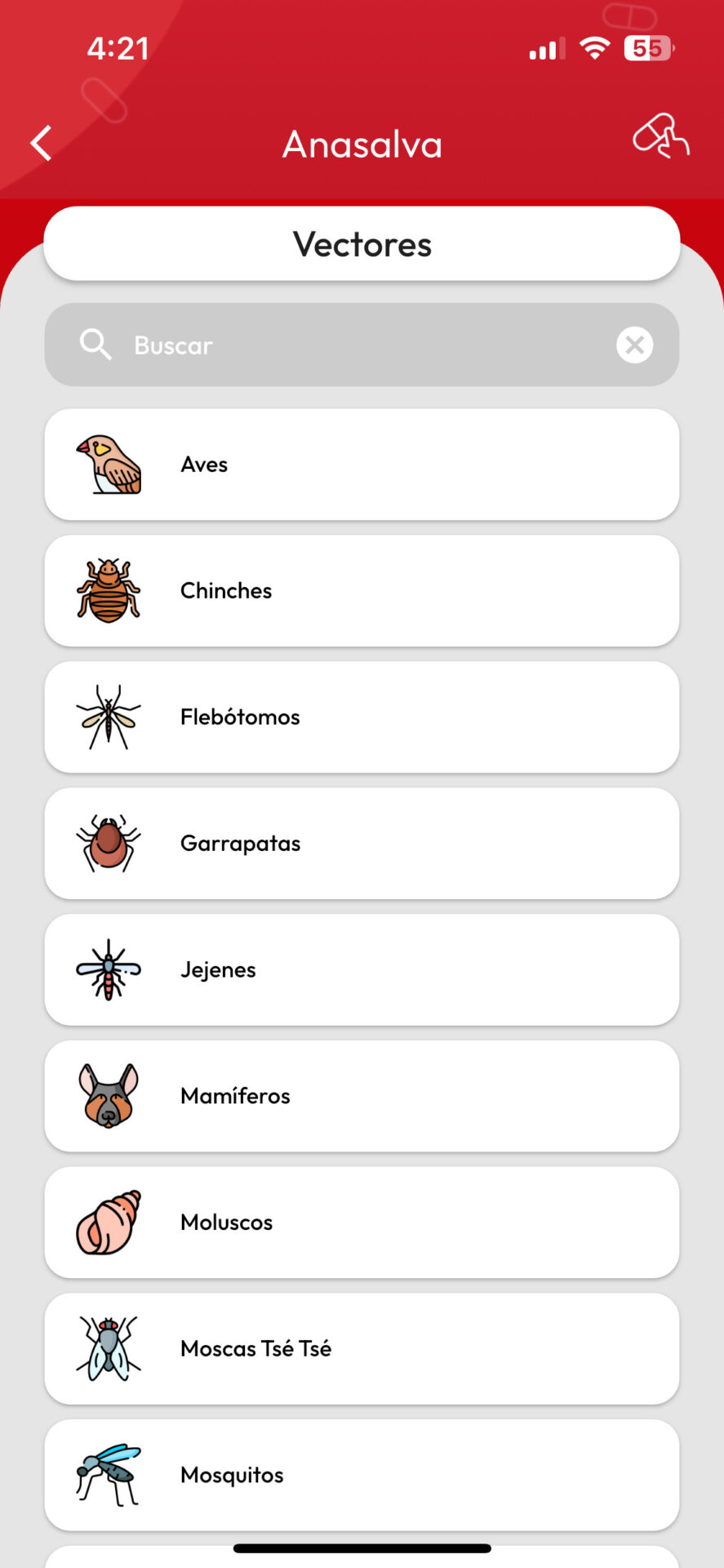
The Vectors functionality in Anasalva is designed to provide a comprehensive understanding of the organisms that transmit pathogens between humans or other animals, playing a key role in the spread of various infectious diseases. This functionality is useful for physicians, epidemiologists, students and other health professionals seeking to understand the factors involved in disease transmission and prevention.
Main features of the Vectors functionality:
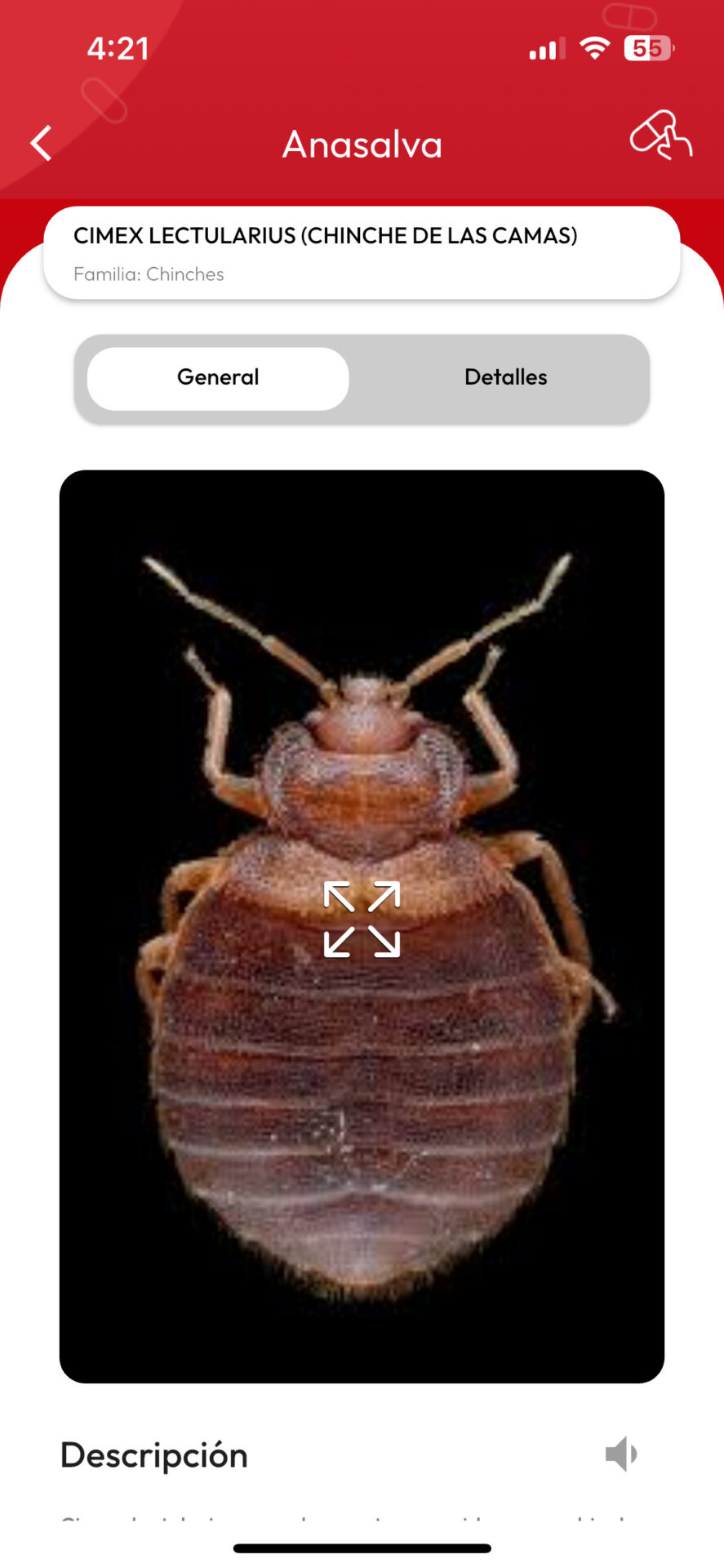
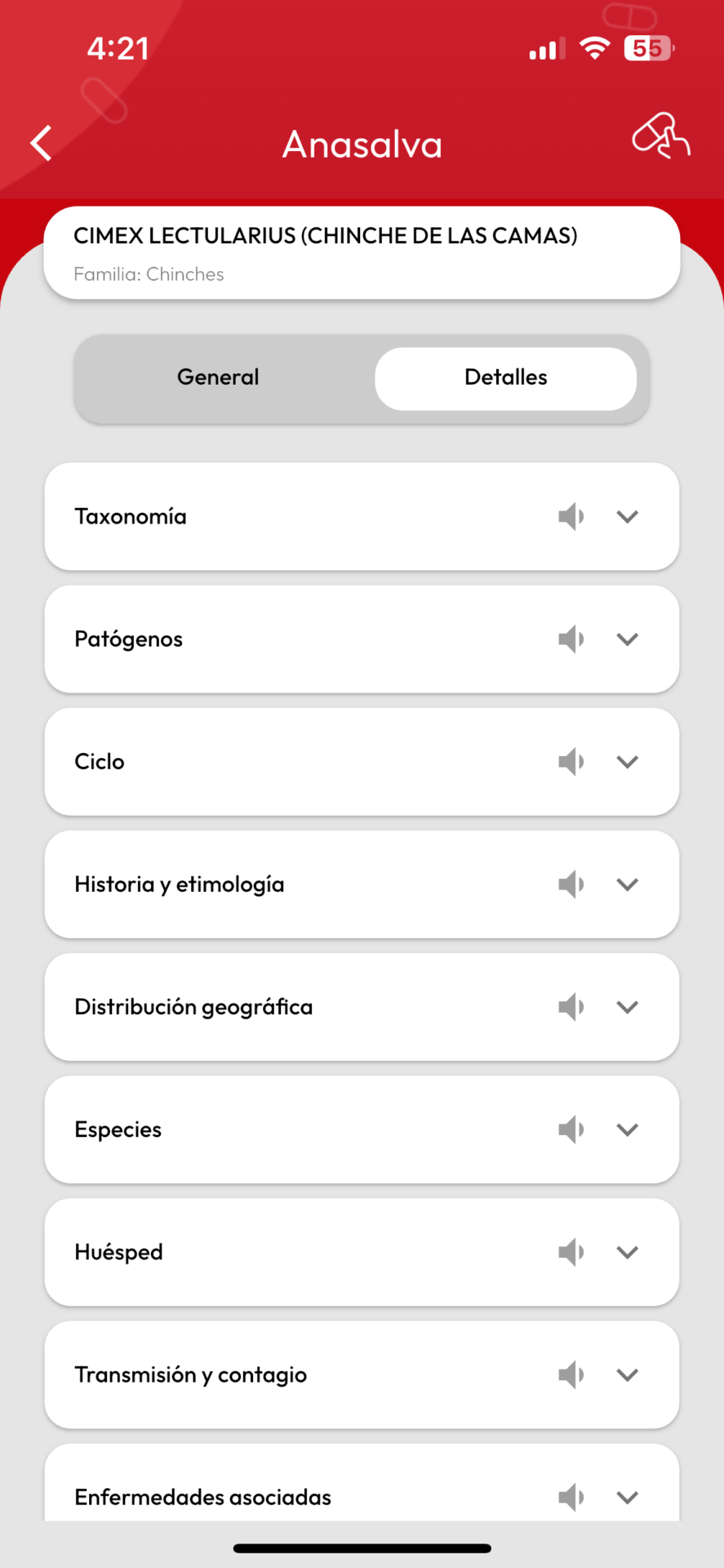
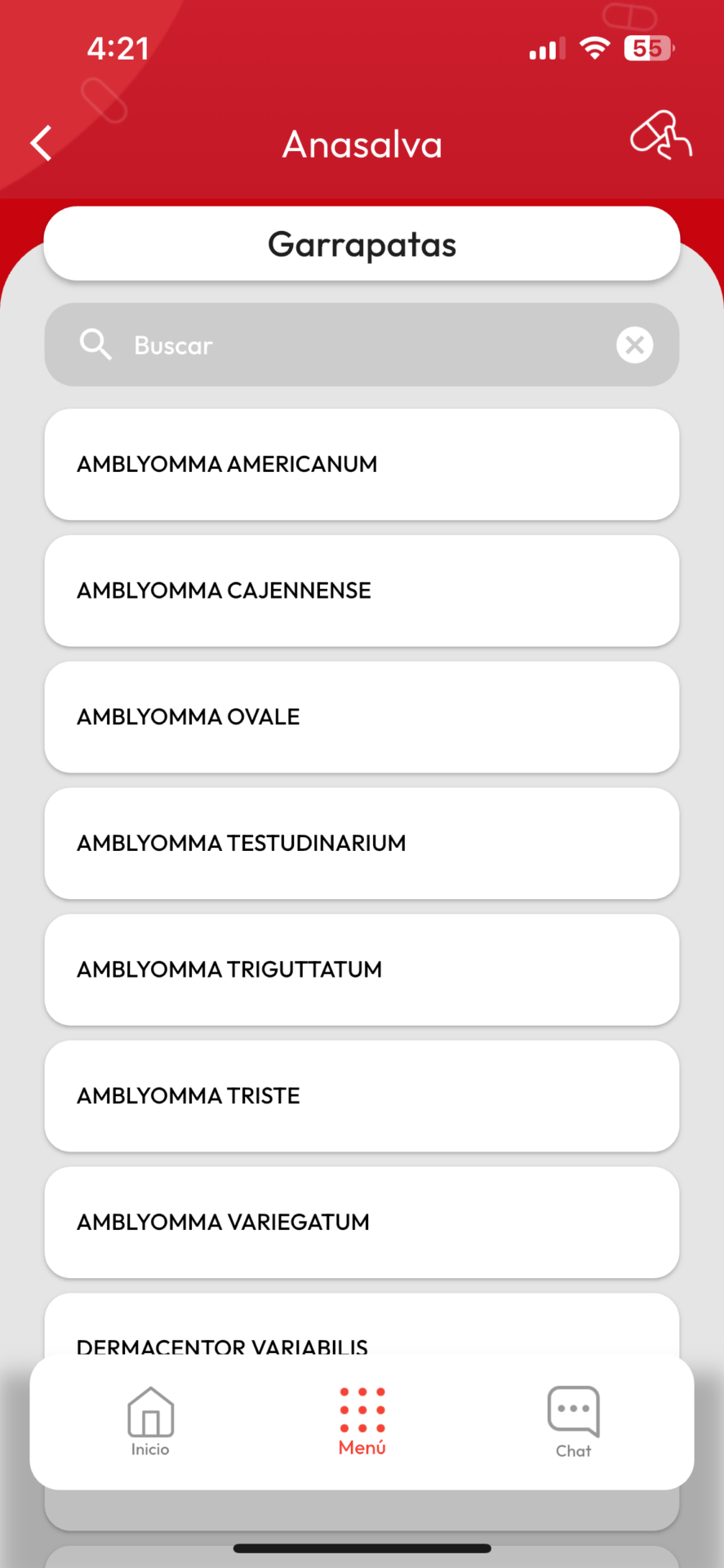
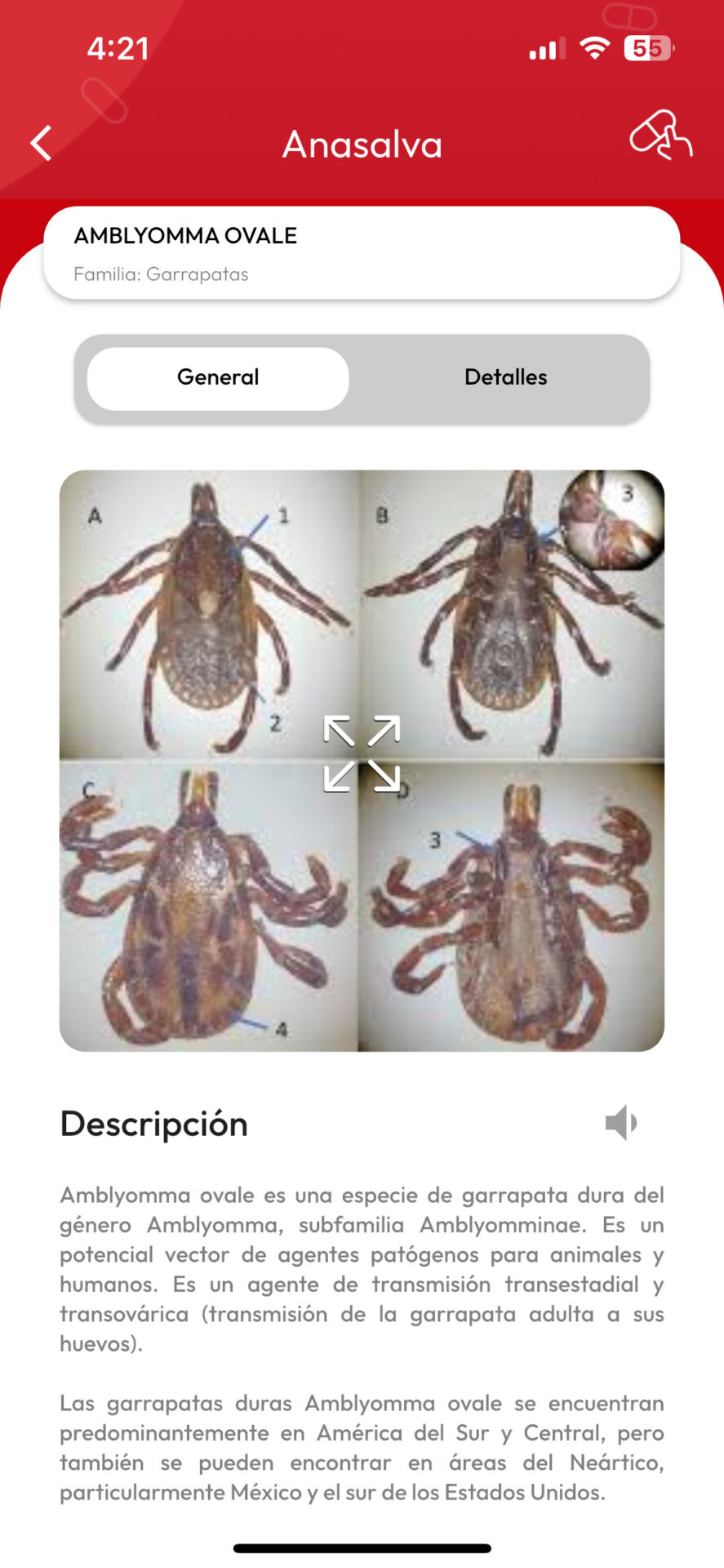
- Types of vectors: Description of the main disease vectors, such as mosquitoes (Aedes, Anopheles), ticks, fleas and flies. Each vector includes detailed information on its biology and ecology.
- Transmitted diseases: Information on the diseases that each type of vector can transmit, such as malaria, dengue fever, yellow fever, Lyme disease, among others. The associated pathogen and symptoms of each infection are detailed.
- Life cycle and transmission: Explanation of the life cycle of each vector, including the critical stages in which the organism is capable of transmitting pathogens, which helps to understand the times of greatest risk of infection.
- Diagnosis and treatment: Information on how vector-borne infections are diagnosed, as well as the treatments available for each disease.
- Prevention and control: Recommendations on best practices to prevent contact with vectors, including the use of physical barriers, repellents, environmental control and public health education campaigns.
This functionality provides a comprehensive perspective on disease vectors and their public health implications, supporting both prevention and control of diseases transmitted by these organisms.




 EN
EN  ES
ES