
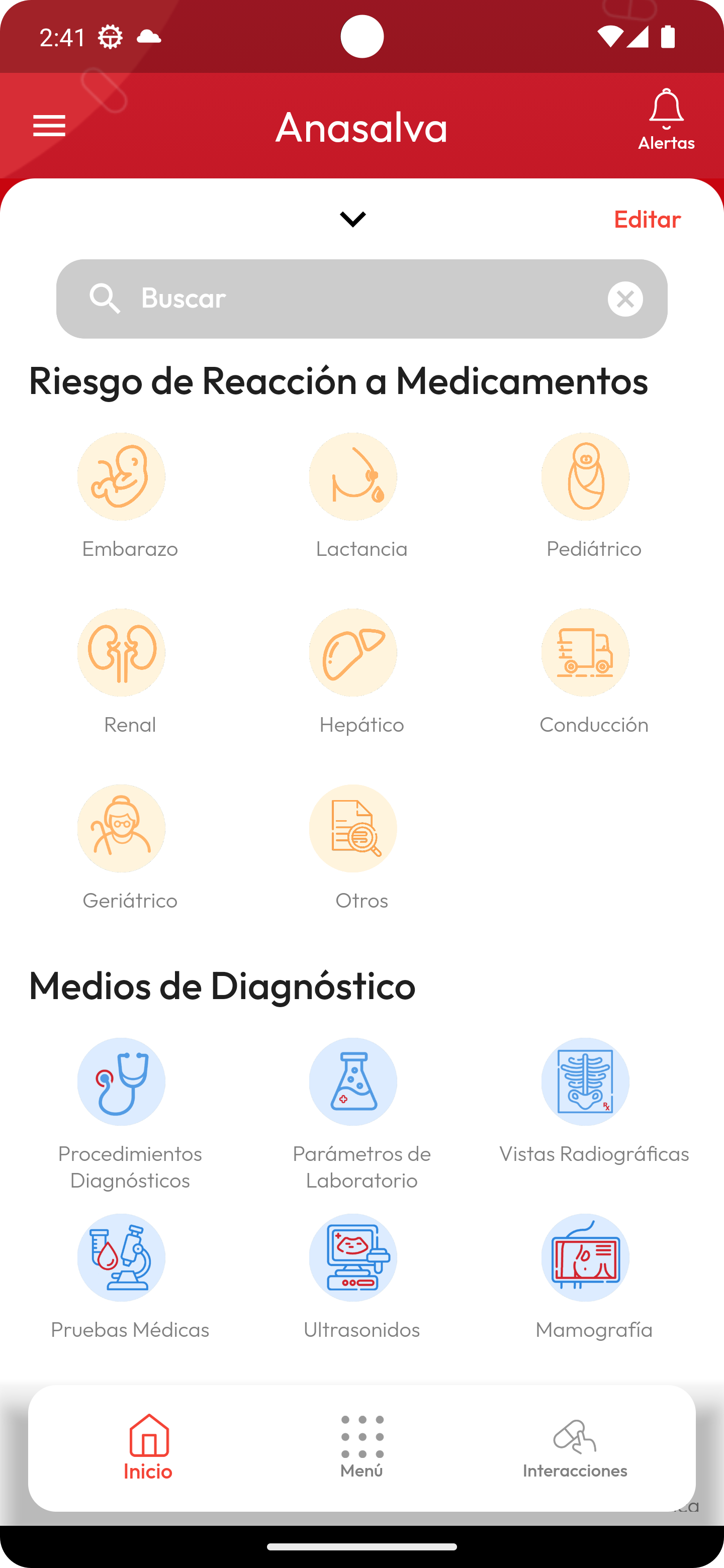
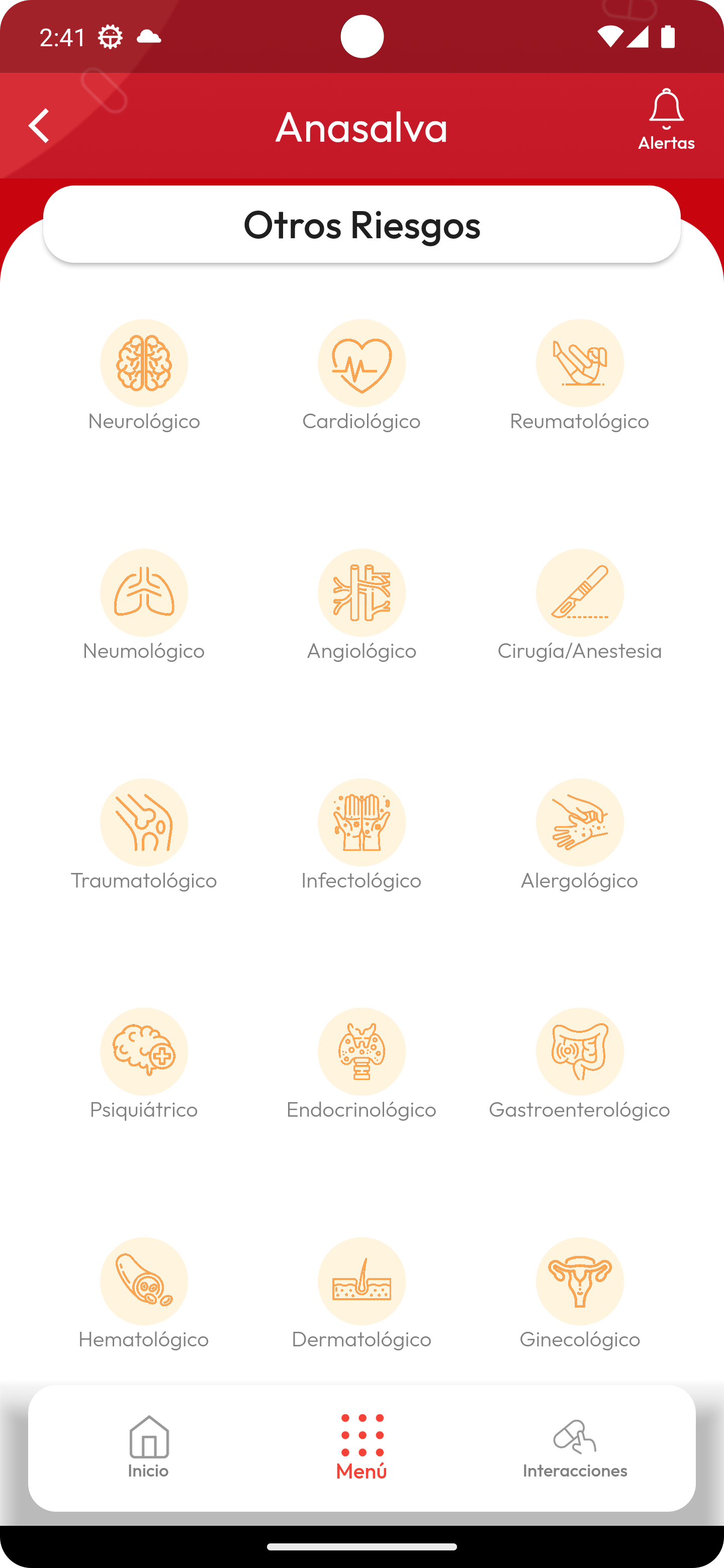
Drug reaction risks: A fundamental tool for assessing the risks associated with the use of medicines in conjunction with specific diseases or health conditions of a patient. This function is essential for grouping potentially hazardous medicines and provides key information on specific risks in different categories. By classifying risks, it allows for a better understanding of potential hazards and promotes informed decision making by healthcare professionals and patients. In order to group potentially hazardous drugs together, the hazards are classified into 30 types:
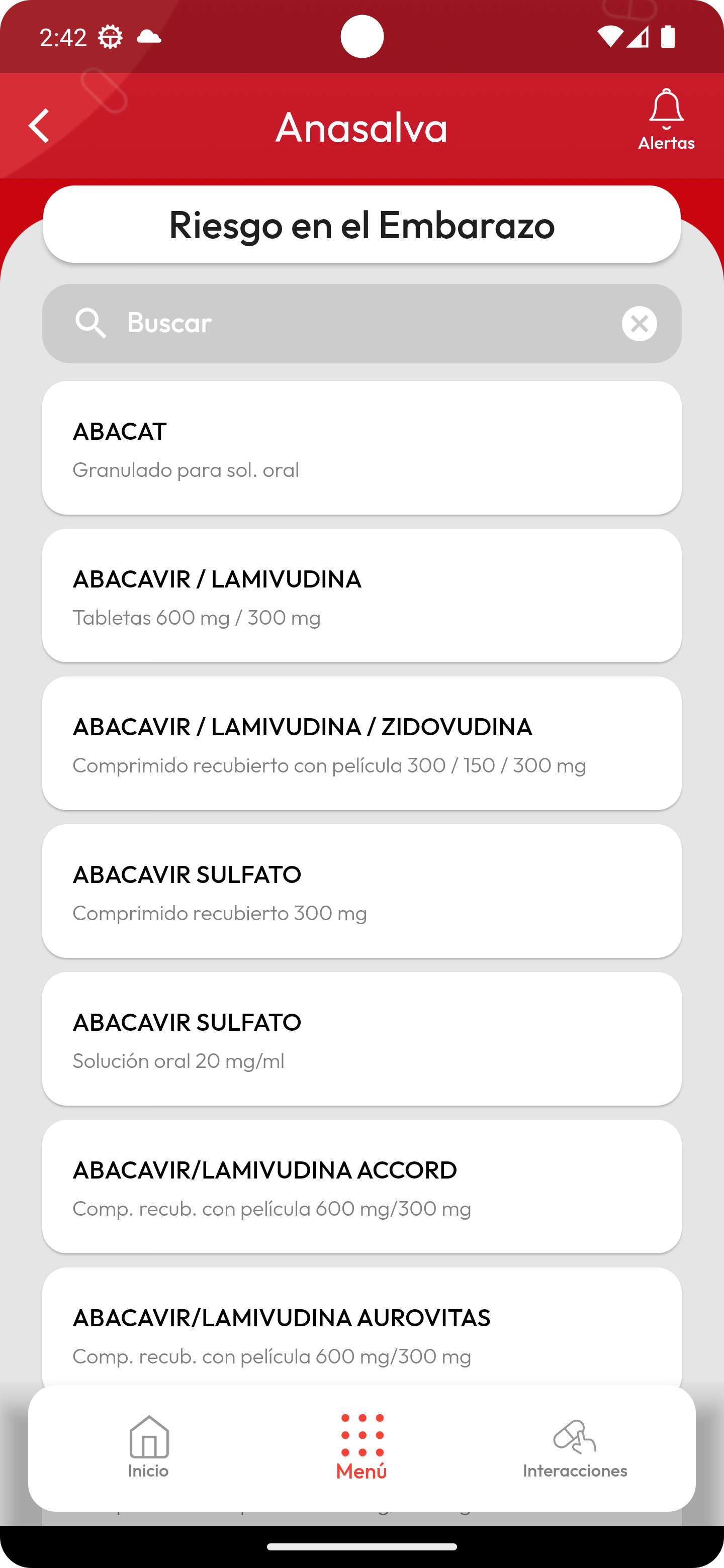
- Risk in Pregnancy: Warns about the possible adverse effects of a drug on fetal development during pregnancy.
- Risk in Lactation: Indicates the possibility that certain drugs may pass into breast milk and affect the infant.
- Pediatric Risk: Evaluates the safety and efficacy of a drug in children, taking into account their age and development.
- Renal Risk: Alerts about how a drug may affect kidney function or worsen existing kidney conditions.
- Hepatic Risk: Reports how a drug may affect liver function or worsen pre-existing liver conditions.
- Driving Risk: Indicates whether a drug may affect the ability to drive or perform tasks that require concentration.
- Geriatric Risk: Consider the particular risks that a drug may pose to the elderly.
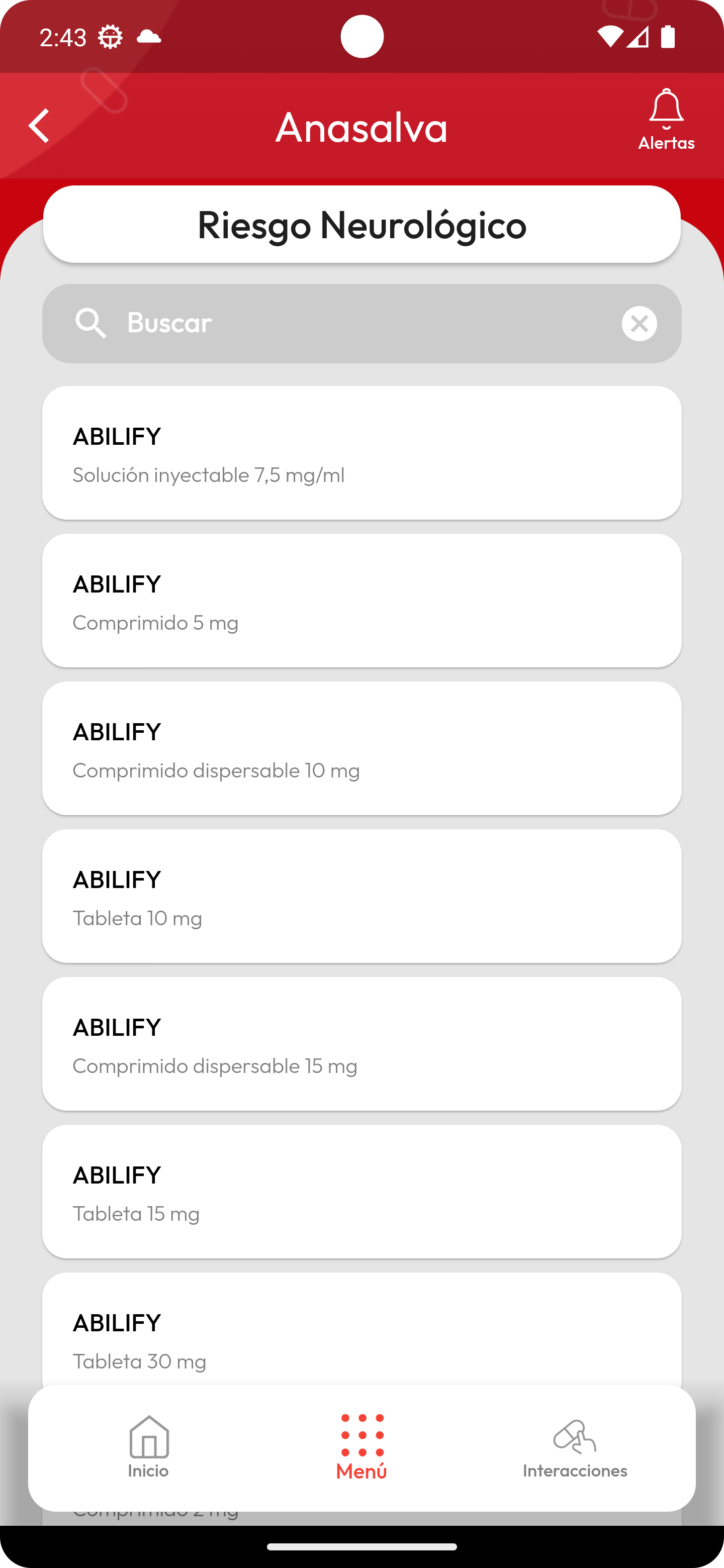
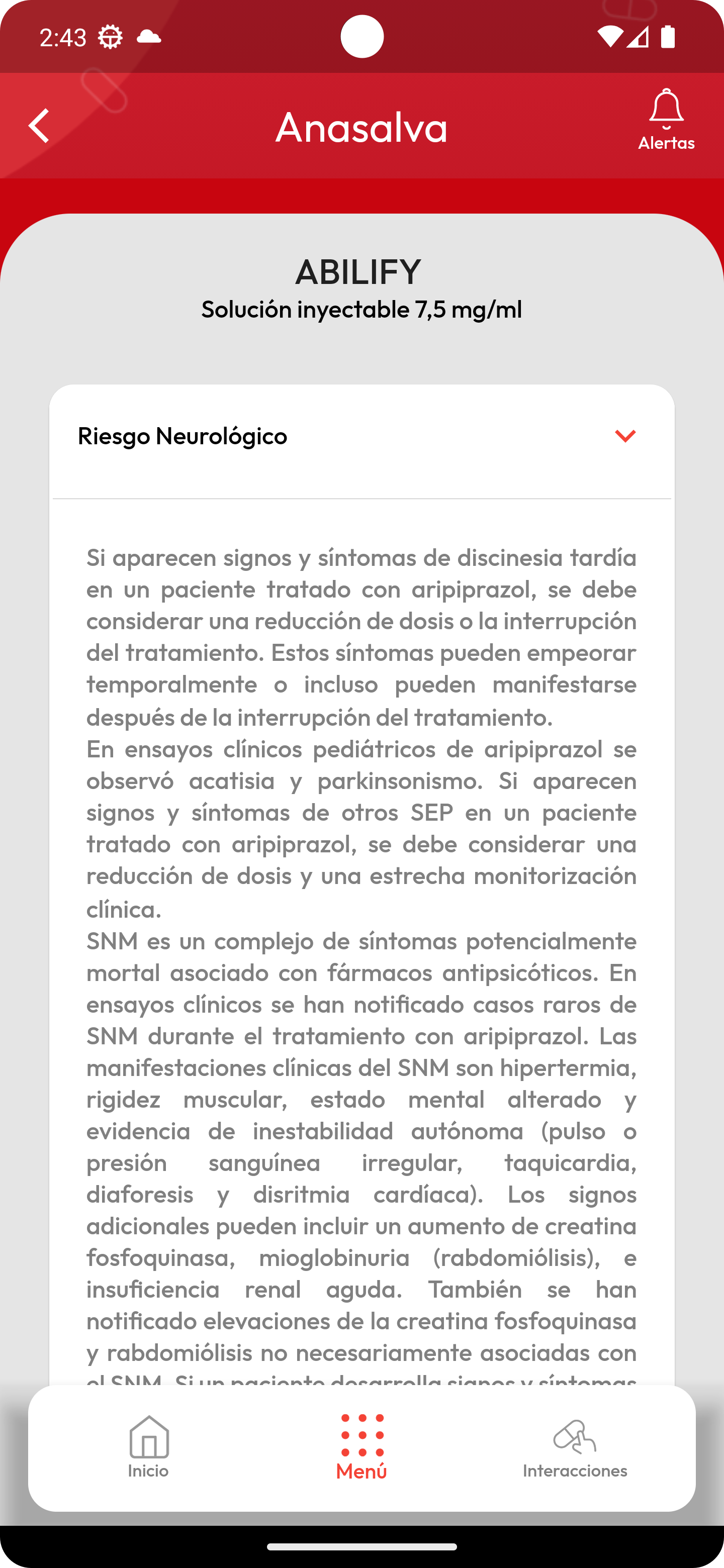
- Neurological Risk: Warns about the possible effects of the drug on the central or peripheral nervous system.
- Cardiological Risk: Reports how a drug may affect the heart or circulatory system.
- Rheumatologic Risk: Consider the specific risks for people with rheumatologic conditions.
- Pneumological Risk: Evaluates how a drug may affect the respiratory system.
- Angiological Risk: Point out how a drug can affect the vascular system.
- Surgery/Anesthesia Risk: Consider the risks associated with administering the drug before, during or after surgery or anesthesia.
- Traumatologic Risk: Evaluates the safety and effectiveness of the drug in people who have suffered trauma or injury.
- Infectious Risk: Evaluates how a drug may influence infections and infectious diseases.
- Allergologic Risk: Warns about possible allergic reactions to the drug.
- Psychiatric Risk: Consider how a medication can affect mental health and emotional balance.
- Endocrinologic Risk: Evaluates specific risks in people with endocrinological disorders.
- Gastroenterological risk: Indicates how a drug may affect the gastrointestinal tract.
- Hematologic Risk: It informs about the possible effects of the drug on the blood and circulatory system.
- Dermatological Risk: Points out possible effects on skin and dermatological conditions.
- Gynecological Risk: Evaluates specific risks for women and their gynecological health.
- Otorhinolaryngologic Risk: Consider risks in relation to ear, nose and throat.
- Urological Risk: Warns about how a drug can affect the urinary system.
- Odontological Risk: Indicates possible oral and dental health risks.
- Ophthalmologic Risk: Evaluates specific eye health risks.
- Drug addiction risk: Warns about the addictive or abuse potential of the drug.
- Immunological Risk: Consider how a drug may affect the immune system.
- Oncologic Risk: Evaluates risks related to cancer and oncological treatments.
- General Risks: It groups general risks that can be applied in various medical contexts.





 EN
EN  ES
ES