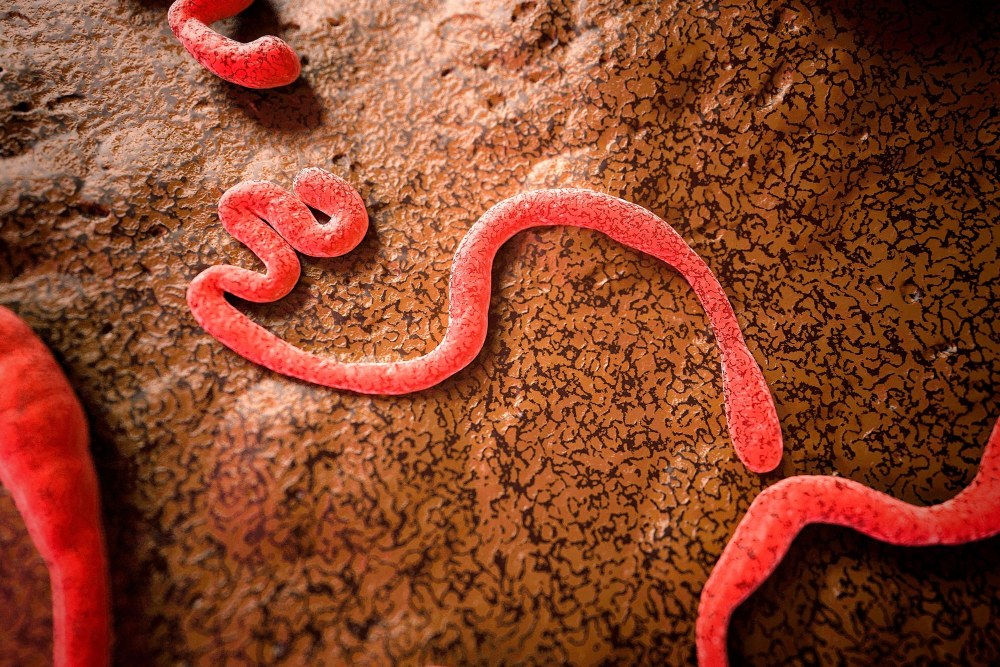
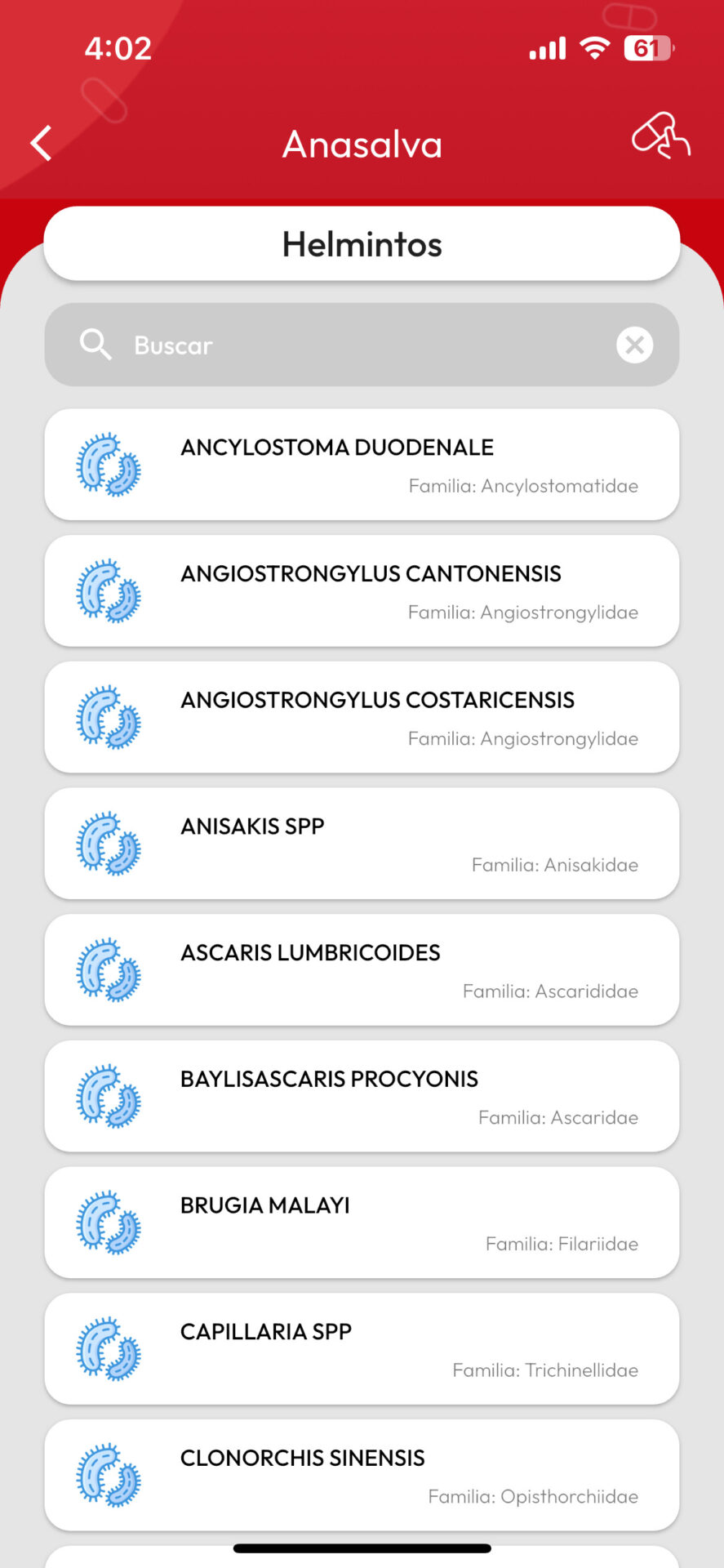
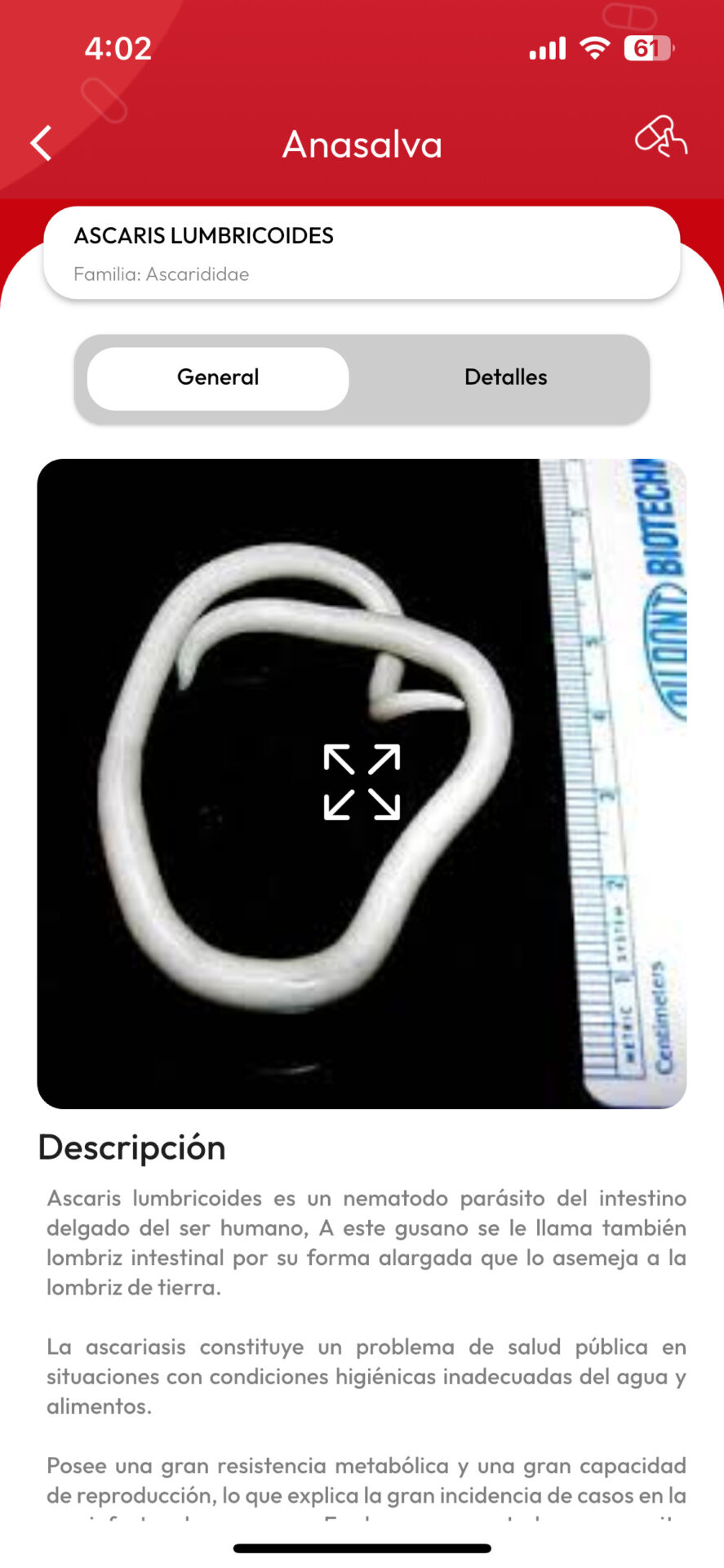
The functionality of Helminths in Anasalva provides a comprehensive guide to these multicellular parasites that affect humans and other animals and are responsible for a variety of diseases. This tool is designed to help physicians, students and health professionals understand and manage helminthic infections effectively.
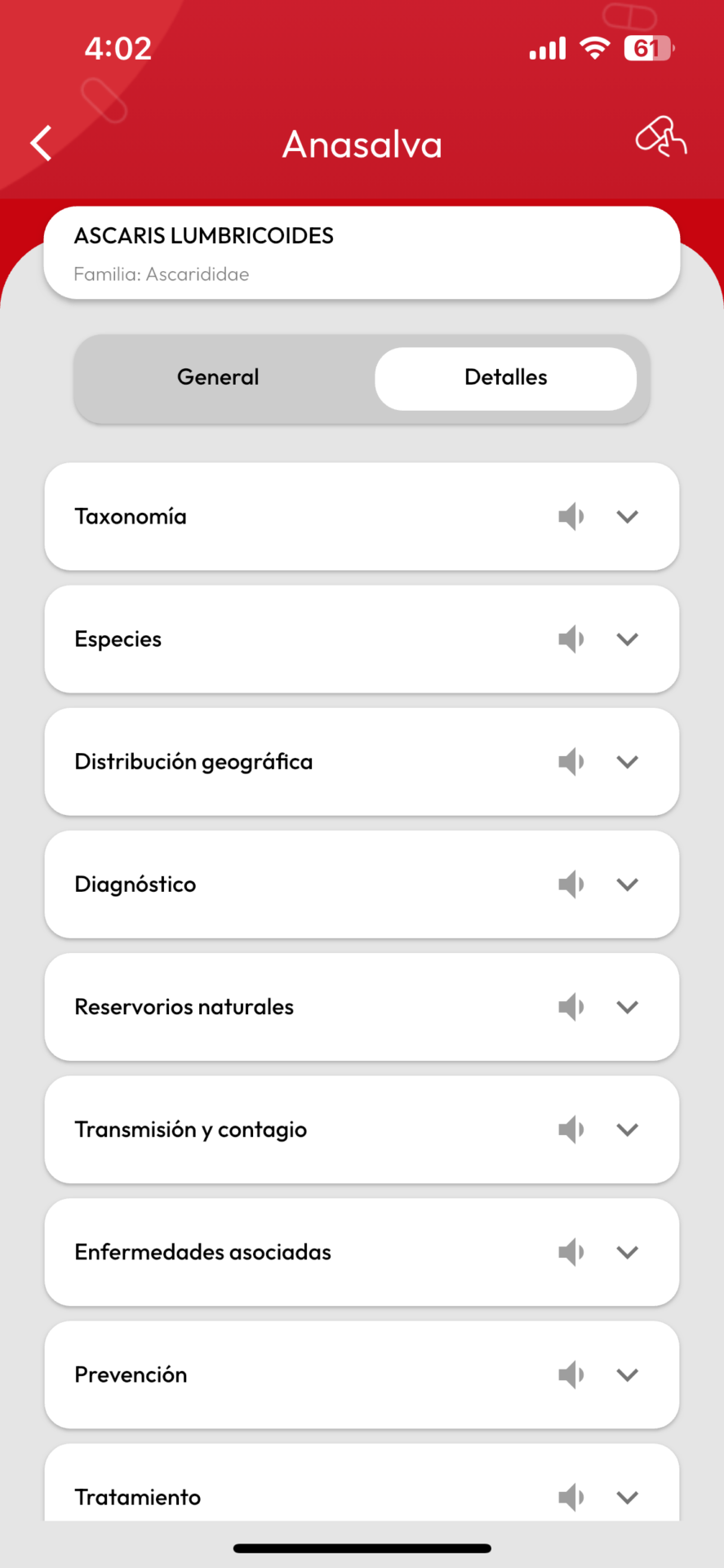
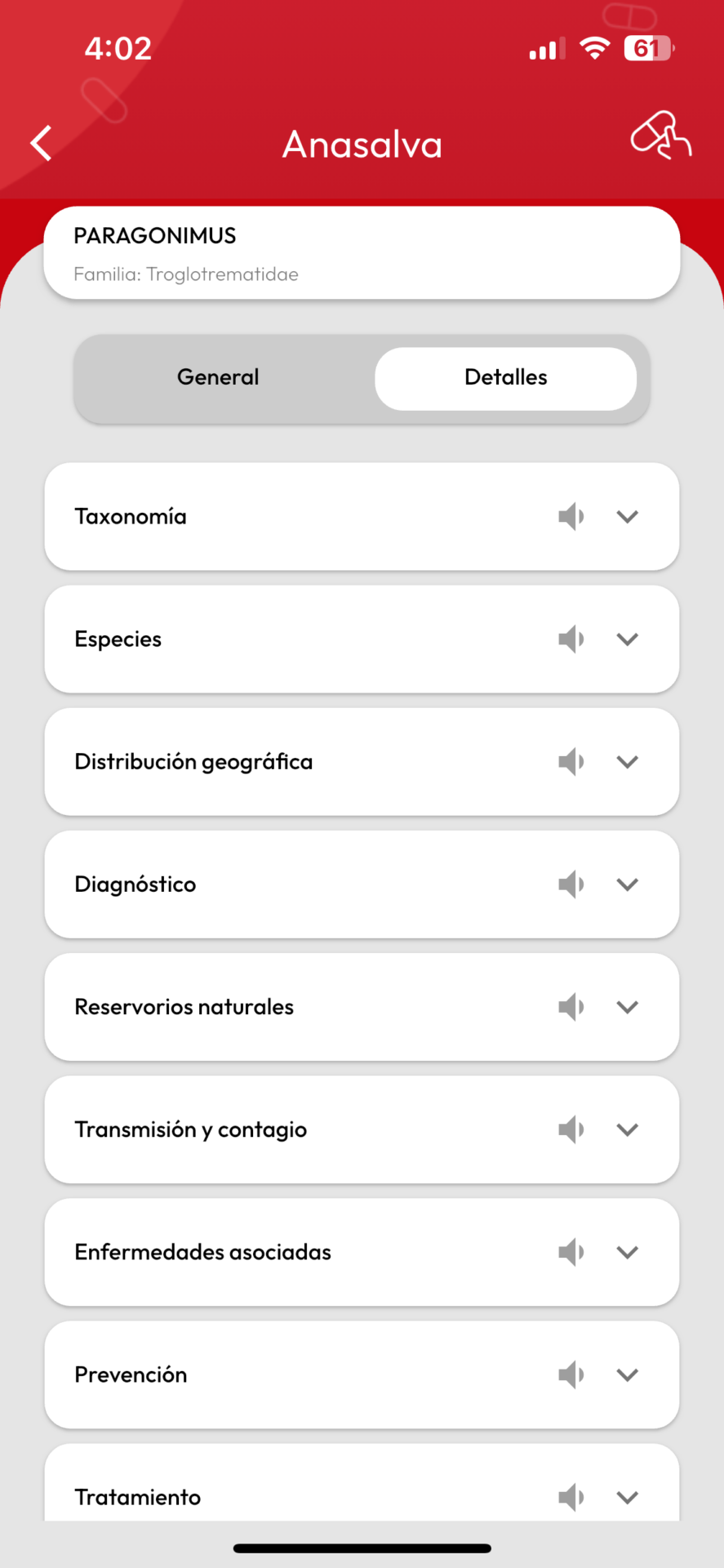
Main characteristics of the Helminth functionality:
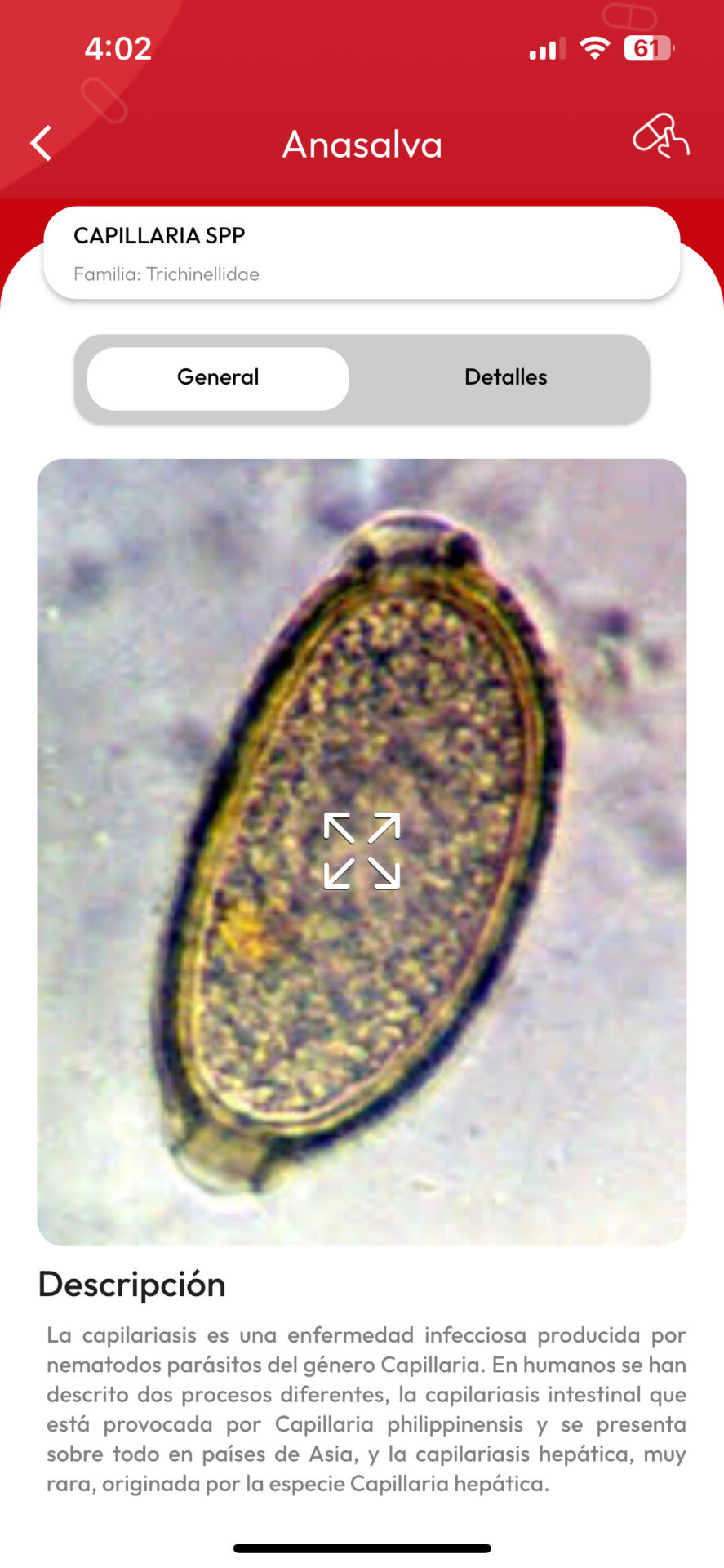
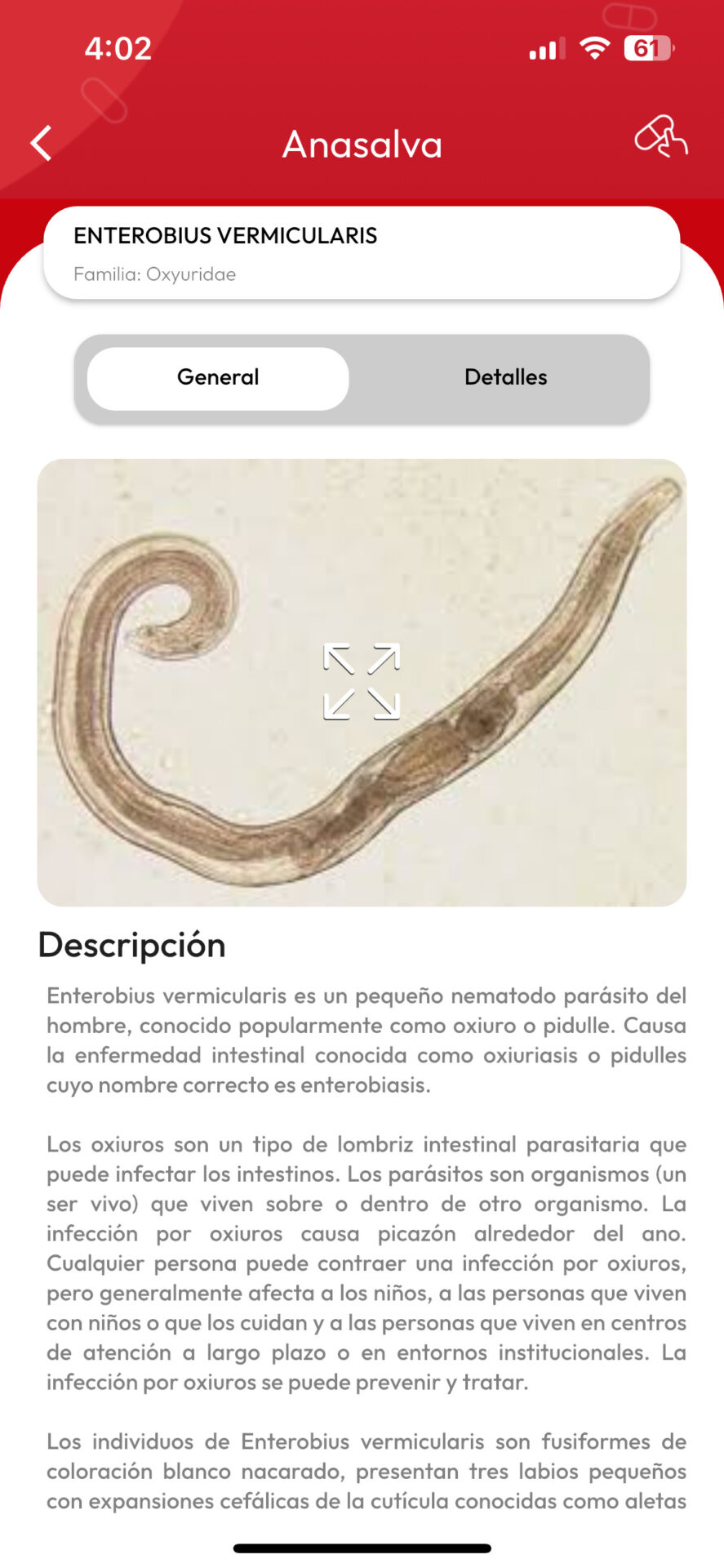
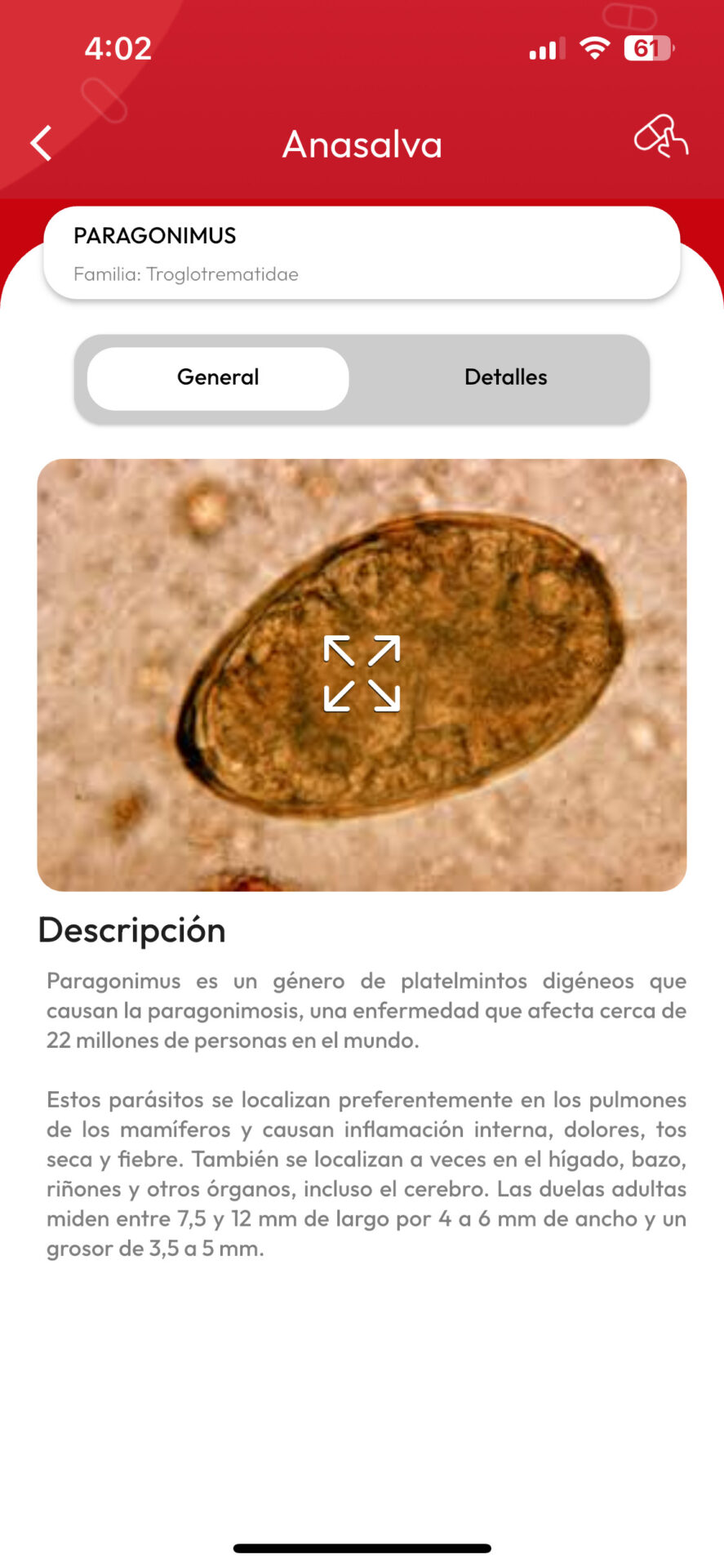
- Ranking: Information on the main types of helminths, such as nematodes (roundworms), trematodes (flatworms) and cestodes (tapeworms), with specific examples of each group.
- Life cycle and transmission: Detailed description of the life cycles of helminths, including their larval and adult stages, as well as routes of transmission, such as contaminated food, water or direct contact.
- Symptoms and clinical manifestations: Information on common symptoms of helminthic infections, which can range from abdominal pain and digestive problems to more severe systemic symptoms.
- Diagnostic: A guide to diagnostic methods used to detect helminth infections, such as stool analysis, serological tests and other laboratory techniques.
- Treatment: Information on antiparasitic drugs and recommended treatments, with details on dosage and indications for each type of infection.
- Prevention and control: Tips and strategies for the prevention of helminth infections, including hygiene practices, sanitation recommendations and control measures in endemic areas.
This functionality allows users to obtain a comprehensive view on helminths, supporting both the diagnosis, treatment and prevention of diseases caused by these parasites.




 EN
EN  ES
ES